4 steps to clean a cold water tank
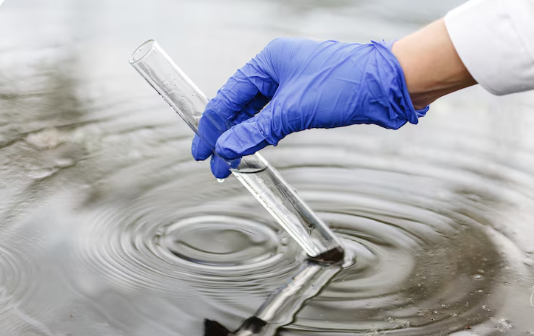
Legionella and other bacteria that may be present in cold water tanks can be nourished and
given a place to live and grow through the build up of sediment, scale, rust and other
debris. That’s why they should be inspected regularly and cleaned when necessary.
Here are the four steps for successfully cleaning your potable and non-potable water tanks.
STEP 1 - PREPARE
- Cleaning should always be done by suitably trained and competent people with the correct equipment.
- Carry out a Risk Assessment prior to commencing work.
- Communicate with all building users that cleaning work is about to take place (use signs where necessary).
- Photograph the condition of the water tank before commencing work.
- The tank inlet must be isolated, ideally in two places, so that the tank can be drained.
- Any booster pumps associated with the system tank should be isolated according to manufacturer's instructions.
STEP 2 – DRAIN THE TANK
- Empty the tank (into the agreed place, an identified foul drain ideally).
- Take a photo of the empty tank for the Log Book.
- If you need to enter the tank, then two technicians may need to be present if confined space safety rules apply.
STEP 3 - CLEAN THE TANK
During this stage any signs of damage, such as corrosion, scale, flaking, black spotting and issues (like missing rodent screens, cross flow vents etc) should be noted, remedial action should be taken and recorded.Manual cleaning can then take place, including:
- Scraping all internal surfaces
- Vacuuming the floors and walls with a wet vac.
- Removing all visible scale, dirt and debris
- Sponging surfaces down with a recommended 10% liquid chlorine solution
- Chemical disinfection should be carried out after cleaning by chlorinating the water in the tank to the specified concentration in mg/litre (ppm) of free residual chlorine
- Once the required level of chlorine is achieved and maintained, the outlet of the tank may be opened to allow chlorinated water to flow around the system
- Chlorinated water needs to flow to all outlets and should be checked by a technician by successively opening taps and showers.
- Ensure that 50PPM is achieved at all sentinels for 60 minutes or as agreed in the method statement.
STEP 4 – RECOMMISSION AND REFILL THE TANK
- After the required contact time (also known as ‘kill time’) has elapsed, chlorinated water
- must be neutralised using Sodium Thiosulphate or flushed thoroughly with fresh water.
- The entire system should be flushed until the free chlorine in the water emerging from each outlet is equal to that of the incoming main.
- Refill tank and reinstate the booster/circulating pumps as per manufacturer’s instructions
- When you’ve finished you should photograph the condition of the water for the log book
- You should also complete a disinfection label for each tank, adding details to the old sticker or placing over the previous one.
-->

Categories
Recent Post
 Dr.Tank