Water Tank Cleaning Myths Debunked
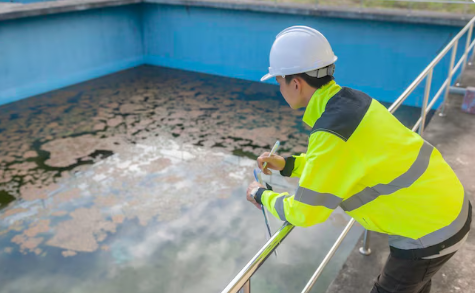
When it comes to maintaining clean and safe water in your tank, there can be a bit of confusion surrounding the process.
Unfortunately, some common myths about water tank cleaning can lead to poor maintenance practices and compromised water quality.
At Dr.Tank, we believe in educating our customers and clearing up these misconceptions to ensure a healthier water supply for homes and businesses alike.
So let’s take a look at some of the most widespread myths and debunk them once and for all.
Myth 1: You Have to Empty the Tank (and Climb Inside) to Clean It
Many people believe that water tank cleaning means completely draining the tank and physically climbing inside to scrub it out. While that might have been true in the past, it’s no longer the case—nor is it necessary.
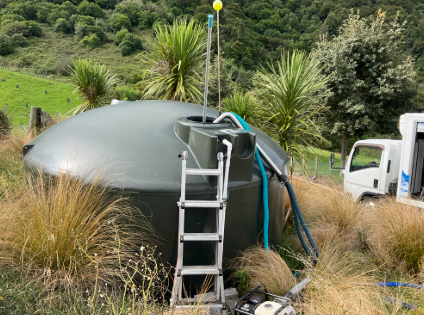
At Dr.Tank, we use advanced, non-invasive technology that allows us to clean your tank without emptying it or putting anyone at risk by entering confined spaces.
Our powerful vacuum system removes sediment and debris directly from the tank’s base while conserving up to 90% of your existing water supply. We then purify and treat the remaining water, making the process efficient, safe, and sustainable.
So, there’s no need to wait for an empty tank — professional, hassle-free cleaning can happen while your tank is still in use.
Myth 2: Harsh Chemicals Are Required for Tank Cleaning
Many believe that cleaning a water tank requires harsh chemicals like Chlorine or Bleach to disinfect it. But at Dr.Tank, we use food-grade hydrogen peroxide (H2O2) as an effective, safe alternative. H2O2 is a powerful oxidizer that kills bacteria, viruses, and other pathogens without leaving harmful residues.
This powerful yet gentle solution neutralises harmful bacteria without leaving toxic residues. It breaks down into harmless oxygen and water, making it non-toxic, eco-friendly, and safe for the bacteria you want to keep in your septic system.
Unlike harsher chemicals, H2O2 won’t affect your septic system or leave unpleasant tastes or smells, ensuring clean, safe water without any downsides.
Myth 3: If I Haven’t Gotten Sick From My Water, It Must Be Clean
Just because you haven’t fallen ill from drinking your water doesn’t mean your tank is free from contaminants. Bacteria and other harmful organisms can be present in your tank without any visible symptoms or immediate health consequences.
These microorganisms might not show their effects right away but can pose a long-term risk. Relying on your body’s ability to “fight off” these contaminants is also risky — we talk more about that in our blog on why immunity isn’t always a good thing.
Regular cleaning ensures that your tank remains free from harmful impurities, keeping your water safe for everyone who uses it. It’s always better to be proactive than to wait for the signs of contamination.
Myth 4: Post-Tank Filtration Systems Make Cleaning Unnecessary
A common misconception is that if you have a filtration system installed after your tank, you don’t need to clean the tank itself. While filtration systems do improve water quality by removing some contaminants, and neutralising bacteria if they include UV, they don’t address the sediment that accumulates directly in the tank.
Over time this builds up and can render your filtration system less and less effective. Filtration works best when the water entering it is clean and free from larger contaminants.
Regular tank cleaning is still essential to prevent the buildup of harmful materials that the filtration system alone cannot handle.
Myth 5: Water Tank Cleaning Is a Simple DIY Task Anyone Can Handle
Another myth is that water tank cleaning is a simple DIY project that anyone can do. While cleaning your water tank may seem straightforward, it requires specialised equipment, knowledge, and safety precautions to do it properly.
OFor example, our team uses a purpose-built filtration system that includes 25-micron and 1-micron filters, as well as nanofiltration, to ensure all harmful contaminants are removed.
Without advanced tools like these, it’s difficult to achieve the level of cleanliness ideal to keep your water safe.
Myth 6: Once a Tank is Cleaned, It’s Free From Contamination Forever
While cleaning your tank is an important step in maintaining a safe water supply, it’s not a one-time fix.
Contamination builds up over time, and factors like weather, sediment, and even pests can introduce new contaminants constantly. Regular cleaning and maintenance are necessary to keep your water safe.
Without advanced tools like these, it’s difficult to achieve the level of cleanliness ideal to keep your water safe.
The Importance of Professional Tank Cleaning
Water tank cleaning is crucial to maintaining the safety and quality of your water supply. By debunking these myths, we hope to provide a clearer understanding of the importance of regular water tank cleaning.
At Dr.Tank, our comprehensive cleaning process ensures that your tank is free from contaminants and safe for use. Don’t let myths prevent you from taking proper care of your water supply.
Contact Dr.Tank today to schedule your water tank cleaning and enjoy peace of mind knowing your water is clean, safe, and ready to use.
Need professional water tank cleaning?
Get in touch with Dr.Tank today and let us take care of the rest.
Categories
Recent Post
 Dr.Tank